Halloween Duck SVG: A Designer’s Review
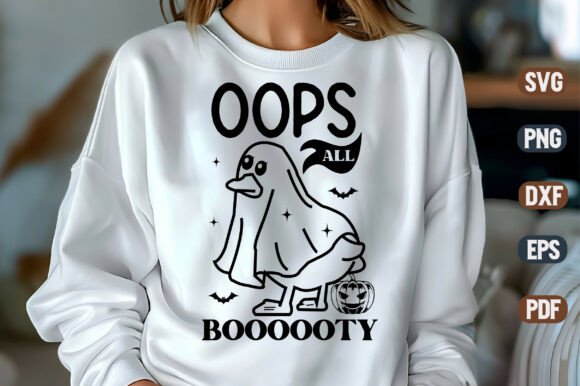
As a designer who has spent countless hours digitizing and stitching out graphics for clients, I have learned that not every cute concept translates well to thread. When I first encountered the Halloween Duck Funny SVG Design, my initial reaction was one of cautious optimism. The premise is charming—a whimsical duck dressed for the spooky season—but in the world of embroidery, charm must be backed by structural integrity. This review breaks down how this digital asset performs when moved from the screen to the sewing machine, specifically for those of us running craft businesses or creating high-quality handmade products.
First Impressions and Visual Personality
The mood of this design is lighthearted and playful, which is exactly what modern consumers look for in holiday embroidery. Unlike traditional Halloween motifs that lean heavily into horror or gothic aesthetics, this piece offers a friendly, approachable vibe. For an embroidery project, this visual personality is crucial. It opens up markets beyond just hardcore holiday enthusiasts, appealing to parents looking for baby embroidery ideas, boutique owners curating gentle autumn collections, and Etsy sellers targeting the "cozy fall" demographic.
The layout appears clean, which is a significant advantage. In embroidery, clutter is the enemy of clarity. A design that looks busy on screen can become a tangled mess of thread on fabric. The simplicity here suggests that the stitch paths, if digitized correctly, should allow for good coverage without excessive bulk. However, since this is provided as a Word By Layer SVG, it is important to remember that SVGs are vector graphics intended primarily for cutting machines or graphic design software, not native embroidery files like PES or DST. This distinction matters greatly for how we prepare the design for stitching.
Real-World Application: The Tote Bag Test
To evaluate the practicality of this design, I mentally walked through a common real-life scenario: creating a custom embroidered tote bag for a local craft fair. Tote bags are typically made from canvas or heavy cotton, fabrics that can handle moderate stitch density but require clear, bold shapes to stand out.
Using the Halloween Duck Funny SVG Design as a base, I would import the SVG into my embroidery digitizing software. The "word by layer" structure is particularly helpful here. It allows me to isolate specific elements—such as the duck’s body, the costume details, and any accompanying text—to adjust stitch types individually. For the larger areas of the duck, a fill stitch would provide solid coverage and durability. For finer details like eyes or costume accents, a satin stitch or running stitch might be more appropriate to maintain definition without adding unnecessary height.
The result on a natural-colored canvas tote would likely be striking. The contrast between the bright thread colors typical of Halloween—oranges, purples, and blacks—and the neutral fabric would make the design pop. This kind of visibility is essential for small shop products where shelf appeal drives sales. Customers walking past a booth need to recognize the design instantly, and a clean, funny duck motif achieves that quickly.
Navigating Fabric and Hoop Constraints
While the design shows promise, there are areas where caution is necessary. Embroidery designers know that what works on a flat towel may fail on a curved cap or stretchy sweatshirt. If you plan to use this design on custom apparel like t-shirts or baby clothes, you must consider the fabric texture and stretch.
For stretchy fabrics, such as those used in baby embroidery or athletic wear, the stitch density becomes critical. If the SVG is converted into a dense embroidery file without proper underlay or pull compensation, the fabric may pucker or distort. I recommend testing the design on scrap fabric first, using a cut-away stabilizer for knits to ensure stability. Additionally, if the design includes small text or intricate costume details, these may get lost on textured fabrics like terry cloth towels or fuzzy fleece blankets. In such cases, simplifying the design or increasing the size might be necessary to maintain stitching clarity.
Another consideration is hoop size. While the SVG format is scalable, embroidery hoops have fixed dimensions. If you are working with a small 4x4 inch hoop, you may need to resize the design significantly. This resizing can affect the relative thickness of lines. A line that looks perfect at 6 inches wide might become too thin to stitch reliably at 3 inches. Always check your design in a black-and-white mockup at the actual finished size to ensure all elements remain visible and stitchable.
Commercial Viability and Brand Consistency
For Etsy sellers and creative entrepreneurs, the value of a design lies not just in its cuteness, but in its versatility and professionalism. The Halloween Duck Funny SVG Design fits well into several commercial embroidery categories. It works for seasonal home decor, such as pillow covers and kitchen towels, and for personalized gifts like monogrammed aprons or children’s hoodies.
However, because this is a digital download containing SVG files, it is vital to understand the workflow. You cannot load an SVG directly into most embroidery machines. You must use digitizing software to convert the vector paths into stitch data. This step requires skill. If you are not a digitizer, you may need to hire one or use auto-digitizing features, which often produce subpar results. For a professional finished product, manual adjustment of stitch angles, density, and sequence is usually required.
From a branding perspective, using consistent, high-quality graphics helps build customer trust. A well-stitched, clear design signals professionalism. Conversely, a poorly executed design with thread breaks or puckering can damage a brand’s reputation. Therefore, treating this SVG as a starting point rather than a final product is key. Use it to create unique variations—perhaps changing thread colors to match your brand palette or combining it with other design assets to create a cohesive collection.
Practical Notes for the Maker
Before committing to a large production run, take these practical steps:
- Test on Scrap Fabric: Always stitch a sample on the same type of fabric you intend to use for the final product. This reveals issues with tension, density, or stabilizer choice.
- Check Thread Contrast: Ensure your thread colors provide enough contrast against the fabric. Dark threads on dark fabric will disappear, reducing the impact of the design.
- Verify Licensing: Since this is a digital product, confirm the license terms. Can you sell finished physical items? Are there restrictions on mass production? Clear licensing protects your craft business.
- Inspect Small Details: Zoom in on the SVG layers. Are there tiny elements that might be too small for your needle or thread? Adjust or remove them if necessary.
- Consider Washability: For items like baby clothes or kitchen towels that undergo frequent washing, ensure the stitch density is sufficient to withstand laundering without unraveling.
In conclusion, the Halloween Duck Funny SVG Design is a promising asset for designers who understand the bridge between vector graphics and embroidery. It offers a fun, marketable theme that resonates with current trends. However, its success depends entirely on the skill of the person converting it into a machine embroidery design. With careful attention to stitch density, fabric choice, and digitizing techniques, this design can elevate your holiday collection, adding a touch of humor and quality to your handmade products.