Daddy Duck Definition: A Designer's Embroidery Review
As a designer who has spent years navigating the intersection of digital graphics and physical stitching, I approach every new asset with a critical eye. The market is flooded with generic clip art, but finding a piece that translates well from a screen to a needle-pierced fabric requires a specific kind of scrutiny. Today, I am evaluating Daddy Duck Definition Duck Lover Funny. While the product description explicitly identifies this as an SVG file compatible with Cricut and Silhouette machines for print-and-cut projects, my goal is to determine its viability as a converted machine embroidery design or a hybrid project where cut vinyl meets stitched accents. This distinction is crucial for any serious crafter looking to elevate their handmade products.
First Impressions: Visual Weight and Design Personality
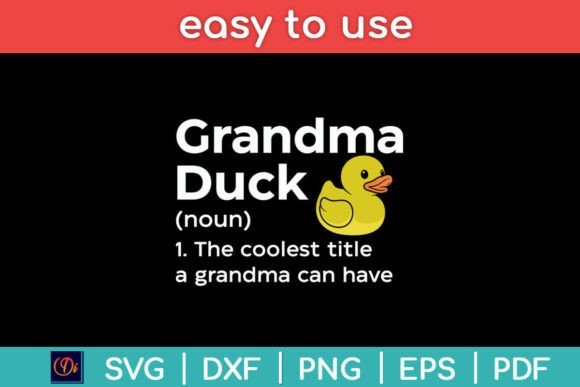
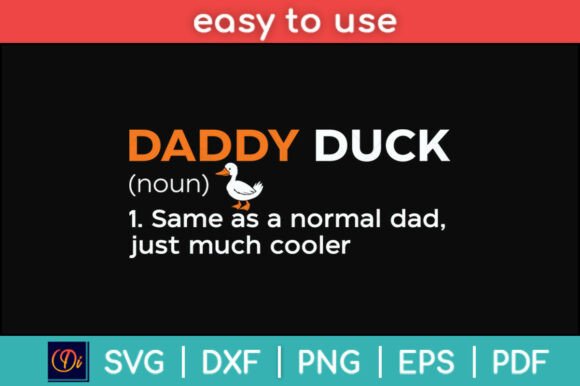
At first glance, Daddy Duck Definition Duck Lover Funny exudes a playful, lighthearted charm that fits perfectly within the Crafts category. The concept relies on a visual pun—a definition style layout that typically pairs an illustration with text explaining a term. For a "Duck Lover," this usually implies a cute duck silhouette or character paired with a humorous explanation. From a graphic design standpoint, the shapes appear bold and distinct, which is promising. However, when transitioning from a flat Graphics file to a tactile embroidery project, we must consider how the lines will hold up under tension.
The mood it creates is instantly recognizable: it feels like a perfect candidate for Father's Day gifts, nursery decor, or casual family apparel. The humor is accessible, making it a strong contender for personalized gifts that need to land a smile immediately. But does the layout support the complexity of real-world stitching? The answer lies in the details. If the text is too small or the curves too tight, converting this SVG into a stitchable format could result in thread bunching or lost definition.
Real-World Application: From Screen to Sweatshirt
Let's imagine a specific scenario. I am preparing a custom order for a boutique client who wants to create a line of embroidered tote bags and sweatshirts featuring this design. The client wants a premium look, not just a cheap iron-on. If I were to use Daddy Duck Definition Duck Lover Funny as the basis for an embroidered patch or direct garment application, the first step is analyzing the hoop size.
In a real-life sweatshirt embroidery situation, the design needs to be large enough to allow for proper fill stitch density without overwhelming the fabric. If the "definition" text portion of the design contains fine serifs or thin lettering, it may require significant digitization work to convert those vector lines into stable running stitch or satin columns. On a heavy cotton sweatshirt, the design would likely pop with high contrast, especially if using bright yellow or orange thread colors against a navy or charcoal background. However, on a lighter fabric like a white t-shirt, the stitch density becomes critical; too much fill can make the shirt stiff and uncomfortable, ruining the drape of the finished product.
For a tote bag design, the canvas texture offers a forgiving surface. Here, Daddy Duck Definition Duck Lover Funny could shine as a large central motif. The sturdy nature of canvas handles higher stitch counts better than knits. Yet, even here, the placement matters. Centering the design on the front pocket or the main body changes the visual impact entirely. As an Etsy seller or small shop owner, you want the design to be legible from a distance while still offering intricate detail upon closer inspection.
Navigating Challenges: Where Caution Is Required
Not every design works on every surface, and Daddy Duck Definition Duck Lover Funny is no exception. There are specific scenarios where this design requires careful handling to maintain professional quality. First, consider small hoop sizes. If you attempt to shrink this design to fit a 4x4 inch hoop for a cap or a baby onesie, the text defining the "Duck Lover" might become illegible. Tiny lettering in embroidery often leads to thread bridging, where the gaps between stitches close up, turning words into solid blocks of color.
Furthermore, working with textured fabrics or stretchy materials like jersey knit presents a challenge. Without the correct stabilizer, the fabric can pucker around the dense areas of the duck illustration. If you are creating baby embroidery items, softness is non-negotiable. A design that is too dense or uses a backing that leaves a hard residue on the inside of the garment will be rejected by discerning parents. In these cases, you might opt to use the SVG for a heat-transfer vinyl (HTV) application instead, or significantly reduce the stitch count if embroidering directly.
Another consideration is the dark fabric factor. If the original SVG is designed with light outlines only, embroidering it on black fabric without a base layer of white fill stitch will result in invisible or muddy details. You must plan for underlay stitches to ensure the thread colors remain vibrant. Additionally, on curved surfaces like caps, the straight lines of a definition-style layout can warp. It is essential to test how the design conforms to the curve before committing to a full production run of commercial embroidery items.
Strategic Value for Craft Businesses
For the creative entrepreneur, the value of Daddy Duck Definition Duck Lover Funny extends beyond a single project. It serves as a versatile asset that can anchor a collection. Think about holiday marketing: this design fits seamlessly into spring and summer collections, particularly for Easter or general outdoor themes. Its "funny" aspect drives engagement, encouraging customers to share photos of their handmade product on social media, which is invaluable for brand awareness.
When used correctly, this design enhances customer trust. A well-executed embroidery job signals quality. If you sell a sweatshirt with this design, and the stitching is clean, the edges are neat, and the thread sheen matches the fabric, you are selling a premium experience. Conversely, a poorly executed version—where the text is unreadable or the puckering is visible—can damage your reputation as a small shop product provider. Therefore, investing time in testing is not optional; it is a business necessity.
Practical Designer Notes for Success
To get the best results with Daddy Duck Definition Duck Lover Funny, follow these practical steps:
- Test on Scrap Fabric First: Never skip the test run. Stitch out the design on a scrap piece of the exact fabric you intend to use to check for puckering and thread tension.
- Check Thread Color Contrast: Ensure the duck illustration stands out against the background. Use a printable mockup to visualize different color combinations before purchasing thread.
- Review Stitch Density: If converting from SVG to embroidery, adjust the density settings. Too dense causes stiffness; too sparse reveals the fabric underneath.
- Confirm Hoop Size: Verify that the design dimensions match your machine's capabilities. If the design is too large, you may need to split it into sections or resize it carefully.
- Inspect Small Details: Zoom in on the text. If letters are thinner than 3mm, they may need to be thickened or simplified for embroidery.
- Use Proper Stabilizer: Choose a tear-away stabilizer for wovens and a cut-away for knits to ensure the design lays flat after washing.
- Verify Licensing: Before selling finished items or digital files, confirm the license terms. Does the purchase allow for commercial use of the digital embroidery file or just personal crafting?
In conclusion, Daddy Duck Definition Duck Lover Funny offers a delightful theme that resonates with a wide audience. While it originates as a cut file for vinyl, its potential as an embroidery project is significant if approached with technical care. By respecting the limitations of the medium and focusing on execution, designers can transform this simple graphic into a standout feature of their custom apparel or holiday embroidery collections. Whether you are making a one-off gift or stocking a boutique shelf, the key lies in balancing the fun of the design with the precision of the craft.