Reviewing Your Feelings SVG Cricut, Middle Finger for Embroidery
As a designer who has spent countless hours digitizing and stitching out graphics for small business owners, I approach every new machine embroidery design with a mix of curiosity and caution. We have all seen the surge in sarcastic, trendy graphics that dominate social media feeds, but translating a digital concept into a tactile finished product requires more than just downloading a file. Recently, I evaluated Your Feelings SVG Cricut, Middle Finger to determine its viability for real-world craft projects. This isn’t just about whether the image is funny; it is about whether it holds up under the needle.
First Impressions and Visual Personality
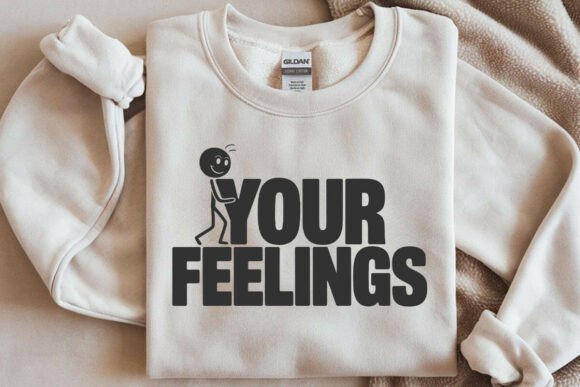
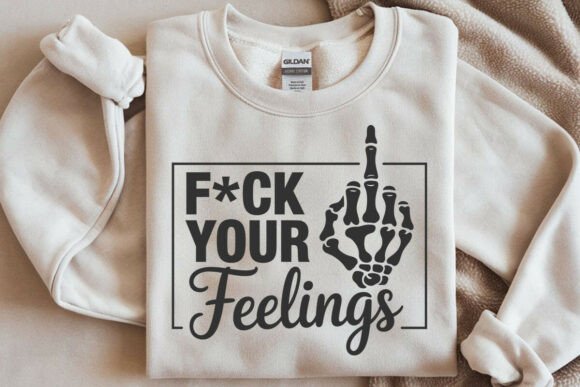
The initial appeal of Your Feelings SVG Cricut, Middle Finger lies in its bold, unapologetic attitude. The stick figure aesthetic combined with the provocative gesture creates an immediate mood of irreverent humor. For Etsy sellers and craft business owners targeting a younger or edgier demographic, this visual personality is gold. However, from a technical standpoint, the simplicity of the stick figure style can be a double-edged sword. Simple lines often translate well to running stitch or light satin stitch applications, but they leave little room for error in digitizing. If the paths are not clean, the final look can appear amateurish rather than intentionally minimalist.
When I first loaded the file into my software, I looked closely at the node placement. A good embroidery file should have smooth curves and logical jump stitches. Since this is marketed as an SVG for cutting machines like Cricut, users must ensure they have the correct conversion or native embroidery format if they intend to stitch it directly. Assuming proper digitization, the layout offers a balanced composition that works well for centered chest placements on apparel or focal points on home decor.
Real-World Application Scenarios
To truly test the value of this design, I imagined it in several common embroidery project scenarios. The most natural fit is undoubtedly custom apparel. Picture a high-quality, heavyweight cotton sweatshirt with this design stitched in white thread on a black background. The contrast would be striking, and the humor would resonate with customers looking for statement pieces. It also works exceptionally well for tote bag design concepts. A canvas tote with this sarcastic graphic becomes a functional accessory with personality, perfect for grocery runs or beach days.
Beyond apparel, consider embroidered patch production. Patches are a huge market for small shop product lines because they are low-risk and highly collectible. This design’s compact nature makes it ideal for a 4x4 or 5x7 hoop, allowing for efficient production runs. I could also see it working on kitchen towels or aprons for those who enjoy a bit of sass in their cooking space, though one must be mindful of the fabric texture and absorbency affecting stitch clarity.
Technical Considerations for Stitching
While the concept is strong, the execution depends heavily on material choice. When working with stretchy fabric like jersey knits for t-shirts, stabilization is critical. A cut-away stabilizer is recommended to prevent the fabric from puckering around the stitch lines, especially if the design uses dense fill stitch areas. If the design relies mostly on outlines, a tear-away might suffice, but testing is non-negotiable.
Another factor is stitch density. Stick figures are typically low-density, which is great for speed but can look sparse on plush fabrics like fleece or towels. In such cases, increasing the stitch count slightly or adding a subtle backing element can help the design pop without losing its minimalist charm. For dark fabric backgrounds, ensure your thread colors have high visibility. White, neon yellow, or bright pink threads would make the design stand out, whereas muted tones might get lost.
Curved surfaces present another challenge. If you plan to use this on a cap or hat, the curvature can distort simple lines. You may need to adjust the pull compensation in your digitizing software to ensure the stick figure doesn’t look warped after stitching. Always hoop firmly and use appropriate backing for structured caps to maintain shape integrity.
Commercial Viability and Brand Consistency
For commercial embroidery purposes, this design fits squarely into the "funny adult" niche. It appeals to buyers looking for gifts that break the mold of traditional sentimentality. However, brand consistency is key. If your handmade product line is known for delicate, floral, or conservative designs, this piece might feel out of place. It suits brands that embrace boldness, humor, and modern aesthetics.
Customer trust is built on quality. A poorly stitched version of this design can look messy due to its simplicity. Any jagged edges or loose threads will be immediately noticeable. Therefore, maintaining high standards in thread tension and needle selection is vital. Using high-quality rayon or polyester threads ensures a sheen that elevates the perceived value of the personalized gift.
Practical Designer Notes
Before committing to a full production run, follow these practical steps:
- Test on scrap fabric: Always stitch out a sample on the exact material you plan to use for the final product. This reveals any issues with tension or registration.
- Check thread color contrast: Mock up the design in black and white first to ensure the shape is recognizable without color reliance. Then, choose vibrant threads for the final version.
- Verify licensing: The product description mentions it is an SVG for cutting. Confirm if the license allows for commercial use of the embroidered items. Many digital creators restrict mass production, so read the terms carefully.
- Inspect small details: Zoom in on the digital file to check for stray nodes or overlapping paths that could cause machine errors.
- Consider hoop size: Ensure the design fits comfortably within your standard hoops without requiring excessive re-hooping, which can lead to misalignment.
Final Verdict
Your Feelings SVG Cricut, Middle Finger is a potent asset for designers willing to navigate its technical nuances. It offers high engagement potential for holiday embroidery gifts, birthday presents, or self-indulgent treats. While it originates as a graphic for cutting machines, its adaptation into embroidery requires careful attention to stitch type and fabric choice. When executed correctly, it delivers a professional, witty finish that resonates with modern consumers. For digital embroidery file collectors and apparel decorators, it is a worthwhile addition to the library, provided you respect the craftsmanship required to bring such a simple yet bold image to life.