Reviewing the Happy Easter Chick Retro SVG for Embroidery
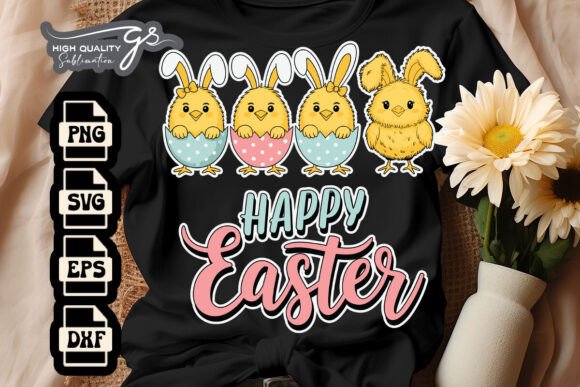
As a designer who spends half my life staring at digitized paths and the other half pulling threads out of jammed machines, I approach every new machine embroidery design with a healthy dose of skepticism. We have all been there: you download a cute graphic, load it onto your hoop, and watch in horror as the needle creates a bird’s nest of thread instead of a charming character. That is why I took a close look at the Happy Easter Chick Retro Funny SVG to see if it holds up under the pressure of real-world stitching.
This isn’t just about whether the image looks good on a screen. It is about how that digital embroidery file translates into a tangible handmade product. Whether you are an Etsy seller looking to refresh your spring inventory or a hobbyist making gifts for family, understanding the practical behavior of this design is crucial before you commit fabric and thread.
First Impressions and Visual Personality
The immediate vibe of the Happy Easter Chick Retro Funny SVG is playful and nostalgic. The "retro" descriptor is key here. It suggests bold lines, simplified shapes, and a color palette that likely leans into warm yellows, oranges, and perhaps some muted pastels rather than neon brights. For embroidery, this is generally good news. Complex gradients and photo-realistic details are nightmares for standard home machines, but retro-style graphics usually rely on clear boundaries and distinct color blocks.
When evaluating this as a piece of Graphics within the broader Crafts category, I look for clean vector paths. If the SVG is well-constructed, it means the digitizer had a solid foundation to work with. The chick’s expression—presumably funny or quirky—needs to remain readable even when reduced in size. A design that relies on tiny facial features can easily get lost in the texture of the fabric, so the layout must prioritize clarity over intricate detail.
Real-World Application: The Tote Bag Test
To truly test a design, I imagine it on a specific product. Let’s say I am preparing a custom tote bag design for a local farmer’s market spring sale. Canvas is a sturdy fabric, but it has a visible weave. I visualize placing the chick centrally on a natural cotton tote. The retro style works beautifully here because the bold outlines of the chick will stand out against the textured background.
If I were using this for sweatshirt embroidery, the scenario changes slightly. Fleece and French terry are plush. A design with too much open space might look sparse, while one with excessive density could cause puckering. The Happy Easter Chick Retro Funny SVG seems balanced enough to handle the loft of a sweatshirt without disappearing into the fibers. It would make a fantastic personalized gift for a child’s wardrobe, adding a touch of whimsy to a plain hoodie.
Considerations for Small Hoops and Caps
Not every project allows for a large canvas. If you are planning to use this design on a embroidered patch or a baseball cap, you need to be mindful of scale. Curved surfaces like caps distort designs if they are too wide. I recommend checking the aspect ratio of the chick. If it is too tall and narrow, it might fit a cap front perfectly. If it is wide, you might need to resize it significantly for a 4x4 hoop, which could compromise the legibility of any small details like eyes or beak highlights.
Always check the recommended hoop size provided by the creator. If the design was originally digitized for a 5x7 hoop, shrinking it down to 4x4 might alter the stitch density relative to the size, potentially causing thread breaks or fabric pull. Conversely, enlarging it too much for a large tote might reveal gaps between stitch rows if the original density was low.
Fabric and Thread Strategy
The success of any embroidery project hinges on material choices. For this retro chick, I would avoid sheer or slippery fabrics like silk or thin rayon unless you are an expert with stabilizers. The bold nature of the design calls for stable bases like cotton twill, denim, or canvas.
- Thread Colors: Stick to classic retro palettes. Mustard yellow, burnt orange, and teal create a mid-century modern feel that elevates the design from "cute" to "stylish."
- Stabilizer: Use a cut-away stabilizer for stretchy fabrics like t-shirts to prevent distortion after washing. For woven totes, a tear-away might suffice, but cut-away ensures longevity for a small shop product that needs to withstand wear.
- Fabric Texture: Remember that texture eats detail. If the chick has fine lines, test on your specific fabric first. A fluffy towel will hide small running stitch details, whereas smooth poplin will show them clearly.
Commercial Viability and Brand Consistency
For commercial embroidery professionals and craft business owners, consistency is currency. Does this design fit your brand? If your shop specializes in minimalist, modern aesthetics, a "funny retro" chick might clash. However, if your brand is about joy, nostalgia, and handmade charm, this asset is a strong contender. It adds value to custom apparel and can be a standout item in holiday collections.
When creating printable mockup images for your online store, ensure the digital representation matches the stitched reality. Over-saturated digital previews can lead to customer disappointment. Show the actual stitched finished product in your listings to build trust. Buyers want to see how the satin stitch or fill stitch lays on the fabric, not just a flat graphic.
Practical Designer Notes
Before you run a full production batch, follow these steps to ensure quality control:
- Test on Scrap Fabric: Never skip this. Stitch the design on the same type of fabric you intend to sell. Check for puckering, thread breaks, or registration issues.
- Check License Terms: The description mentions it is a digital file for crafting. Confirm if the license allows for selling physical finished items. Most designers allow this, but restrictions on mass production or digital resale are common. Always verify before listing on Etsy or other platforms.
- Inspect Small Details: Zoom in on the digitized file if possible. Look for unnecessary jump stitches or dense areas that might cause bulk. A well-digitized applique design or standard fill should have logical pathing.
- Contrast Check: View the design in black and white. If the chick disappears, it lacks sufficient contrast for certain lighting conditions or colorblind viewers. Ensure the outline is distinct from the fill.
The Happy Easter Chick Retro Funny SVG offers a delightful blend of humor and style that can elevate simple holiday embroidery projects. By respecting the technical limitations of your machine and choosing the right materials, you can turn this digital asset into a high-quality design asset that customers love. Whether it ends up on a baby’s onesie or a boutique apron, the key is in the execution. Treat the file with the care it deserves, and it will serve your creative business well.