Reviewing the But First Coffee SVG for Embroidery
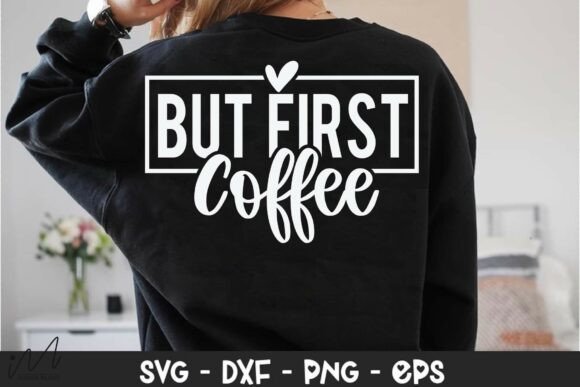
As a designer who spends half my day digitizing files and the other half stitching them out, I have learned that not every graphic translates well to thread. When I first encountered But First Coffee Svg, Funny Coffee Shirt, my initial reaction was one of cautious optimism. The phrase is a cultural staple, instantly recognizable and inherently humorous. However, moving from a digital vector file to a tangible machine embroidery design requires a critical eye for detail, density, and fabric compatibility. This review breaks down how this specific asset performs when taken off the screen and put under the needle.
First Impressions and Visual Personality
The mood of this design is undeniably casual and relatable. It taps into the universal language of caffeine dependency, making it an excellent candidate for custom apparel and lifestyle accessories. Visually, the layout tends to rely on bold typography paired with simple iconography, such as a coffee cup or steam lines. For an embroidery project, this simplicity is a double-edged sword. On one hand, clean lines are easier to stitch cleanly. On the other, they leave little room for error in tension or registration.
When evaluating this as a piece of Crafts media, I look at the balance between negative space and filled areas. A good embroidery file should breathe. If the text is too tight, the threads will merge, creating a blob rather than legible letters. In my assessment, this design works best when scaled appropriately to maintain the integrity of each character. It feels native to the world of Graphics meant for print, so adapting it for stitch requires careful consideration of stitch density.
Real-World Application: The Tote Bag Test
To truly understand the viability of But First Coffee Svg, Funny Coffee Shirt, I imagined a common scenario for many Etsy sellers and small shop product creators: a custom embroidered tote bag. Tote bags are typically made from canvas or heavy cotton, which provides a stable base for stitching.
In this context, the design shines. The bold nature of the text holds up well against the textured weave of canvas. Using a fill stitch for larger elements like a coffee cup icon can add nice dimension, while the lettering might benefit from a combination of satin stitch for smaller words and running stitch outlines if the font is thin. The result is a handmade product that feels durable and professional. Customers looking for a personalized gift or a fun accessory for their daily commute would likely respond positively to the humor and clarity of the finished piece.
Versatility Across Product Lines
Beyond tote bags, this design has significant potential in other categories. For sweatshirt embroidery, the softness of fleece or French terry requires a different approach. Here, you must be wary of puckering. The design’s simplicity allows it to sit lightly on the fabric without pulling too hard, provided you use the correct stabilizer. It also translates well to embroidered patch creation, where the edges can be finished with a satin border, turning the graphic into a standalone badge that can be ironed or sewn onto jackets and hats.
For those in the craft business focusing on home goods, consider tea towels or aprons. The "coffee first" mentality fits perfectly in the kitchen. However, since these items undergo frequent washing, the stitch quality must be impeccable. Loose threads or poor density will unravel quickly, damaging your brand’s reputation for quality.
Technical Challenges and Fabric Considerations
While the design is charming, it is not without its pitfalls. One major concern is small hoop sizes. If you attempt to shrink this design to fit a 4x4 hoop for a baby onesie or a pocket logo, the legibility of the text may suffer. Tiny lettering in embroidery is notoriously difficult; the threads can bridge gaps or become indistinct. I advise testing the design at various scales on scrap fabric before committing to a final finished product.
Fabric texture also plays a crucial role. On smooth fabrics like polyester performance tees, the design will look crisp. However, on textured materials like linen or waffle knit, the intricate parts of the SVG might get lost in the weave. Additionally, when working with dark fabric, you must ensure high contrast in your thread colors. A light beige thread on a navy shirt works, but a dark brown on black will vanish. Always check your design in black and white mockups to verify contrast levels.
Curved surfaces, such as caps, present another challenge. The design needs to be centered perfectly, and the stabilization must be robust to prevent distortion during stitching. An applique design approach could be beneficial here, using fabric cutouts for the coffee cup shape to reduce stitch count and bulk, though this depends on whether the original file supports such modification.
Commercial Viability and Brand Consistency
For commercial embroidery and digital product sellers, the appeal of But First Coffee Svg, Funny Coffee Shirt lies in its marketability. It is a evergreen theme. People always drink coffee, and they always appreciate humor. This makes it a safe bet for inventory planning. However, because it is popular, differentiation is key. How you stitch it—your choice of thread colors, fabric quality, and presentation—will determine whether your printable mockup stands out in a crowded marketplace.
Using this as a design asset for boutique branding can help establish a playful, approachable voice. It signals to customers that your brand understands modern lifestyle trends. Whether used for holiday embroidery gifts or everyday wear, it adds a layer of personality that generic designs lack.
Practical Designer Notes
Before you load this file into your machine, keep these practical tips in mind:
- Test on Scrap: Always stitch a test run on the same type of fabric you intend to use for the final item. This reveals issues with tension and density.
- Check File Formats: The product description mentions receiving SVG, DXF, EPS, and PNG formats. Note that these are primarily vector and image formats for cutting or printing. For machine embroidery, you will need to convert these into a native embroidery format (like PES, DST, or JEF) using digitizing software, unless a pre-digitized file is explicitly included. Verify this before purchase.
- Stabilizer Selection: Use a cut-away stabilizer for stretchy fabrics like t-shirts and a tear-away for stable woven fabrics like tote bags.
- License Verification: Confirm the licensing terms. Can you sell finished physical items? Can you resell the digital file? Most craft licenses allow for selling finished physical goods but prohibit redistributing the digital file itself.
- Color Contrast: Ensure your thread choices pop against the background. High contrast improves readability and visual appeal.
In conclusion, But First Coffee Svg, Funny Coffee Shirt is a strong contender for your next embroidery project. It offers versatility, humor, and broad appeal. By paying attention to technical details like stitch density, fabric choice, and proper stabilization, you can transform this simple graphic into a high-quality, professional-grade item that resonates with customers and enhances your portfolio.